Search This Blog

Showing posts with label FIQAH. Show all posts

Monday, 28 May 2018

زکوٰۃ کی اہمیت و ضرورت

زکوٰۃ کی اہمیت و ضرورت
- سید ابوالااعلیٰ مودودی

زکوٰۃ کی اصل روح
’’اے نبیؐ! تم ان کے اموال میں سے صدقہ لے کر انہیں پاک کرو اور (نیکی کی راہ میں) انہیں بڑھائو، اور ان کے حق میں دعائے رحمت کرو،کیونکہ تمہاری دعا ان کے لیے وجۂ تسکین ہوگی، اللہ سب کچھ سنتا اور جانتا ہے۔‘‘(التوبہ9:103)
زکوٰۃ کی اہمیت
نماز کے بعد اسلام کا سب سے بڑا رکن زکوٰۃ ہے۔ عام طور پر چونکہ عبادات کے سلسلے میں نماز کے بعد روزے کا نام لیا جاتا ہے، اس لیے لوگ یہ سمجھنے لگے ہیں کہ نماز کے بعد روزے کا نمبر ہے۔ مگر قرآن مجید سے ہم کو معلوم ہوتا ہے کہ اسلام میں نماز کے بعد سب سے بڑھ کر زکوٰۃ کی اہمیت ہے۔ یہ دو بڑے ستون ہیں جن پر اسلام کی عمارت کھڑی ہوتی ہے۔ ان کے ہٹنے کے بعد اسلام قائم نہیں رہ سکتا۔
یہی وجہ ہے کہ سرکارِ رسالت مآب صلی اللہ علیہ وسلم کی وفات کے بعد جب عرب کے بعض قبیلوں نے زکوٰۃ دینے سے انکار کیا تو جناب صدیق اکبر رضی اللہ عنہ نے اُن سے اُس طرح جنگ کی جیسے کافروں سے کی جاتی ہے، حالانکہ وہ لوگ نماز پڑھتے تھے اور خدا اور رسولؐ کا اقرار کرتے تھے۔ اس سے معلوم ہوا کہ زکوٰۃ کے بغیر نماز، روزہ اور ایمان کی شہادت سب بے کار ہیں، کسی چیز کا بھی اعتبار نہیں کیا جاسکتا۔
(’’خطبات‘‘۔ ستمبر2003ء، صفحہ201۔202)
انفاق کا عام اور خاص حکم
انفاق کا ایک حکم عام ہے اور ایک خاص۔ ایک طرف تو یہ ہے کہ بخل اور تنگ دستی سے بچو کہ یہ برائیوں کی جڑ ہے اور بدیوں کی ماں ہے۔ اپنے اخلاق میں اللہ کا رنگ اختیار کرو جو ہر وقت بے حد وحساب مخلوق پر اپنے فیض کے دریا بہا رہا ہے، حالانکہ کسی کا اس پر کوئی حق اور دعویٰ نہیں ہے۔ راہِ خدا میں جو کچھ خرچ کرسکتے ہو، کرو۔اپنی ضرورتوں سے جتنا بچا سکتے ہو، بچائو اور اس سے خدا کے دوسرے ضرورت مندوں کی ضرورتیں پوری کرو۔ دین کی خدمت میں اور اللہ کا کلمہ بلند کرنے میں جان اور مال سے کبھی دریغ نہ کرو۔ اگر خدا سے محبت رکھتے ہو تو مال کی محبت کو خدا کی محبت پر قربان کردو۔ یہ تو ہے عام حکم۔
اور اس کے ساتھ ہی خاص حکم یہ ہے کہ اس قدر مال اگر تمہارے پاس جمع ہو تو اس میں سے کم ازکم اتنا خدا کی راہ میں ضرور صرف کرو اور اتنی پیداوار تمہاری زمین میں ہو تو اس میں سے کم ازکم اتنا حصہ تو ضرور خدا کی نذر کردو، پھر جس طرح چند رکعت نماز فرض کرنے کا مطلب یہ نہیں ہے کہ بس یہ رکعتیں پڑھتے وقت ہی خدا کو یاد کرو اور باقی سارے وقتوں میں اس کو بھول جائو، اسی طرح مال کی ایک چھوٹی سی مقدار راہِ خدا میں صرف کرنا جو فرض کیا گیا ہے، اس کا مطلب بھی یہ نہیں ہے کہ جن لوگوں کے پاس اتنا مال ہو بس انہی کو راہِ خدا میں صرف کرنا چاہیے، اور جو اس سے کم مال رکھتے ہوں انہیں اپنی مٹھیاں بھینچ لینی چاہئیں، اور اس کا مطلب یہ بھی نہیں ہے کہ مال دار لوگوں پر جتنی زکوٰ ۃ فرض کی گئی ہے بس وہ اتنا ہی خدا کی راہ میں صرف کریں اور اس کے بعد کوئی ضرورت مند آئے تو اسے جھڑک دیں یا دین کی خدمت کا کوئی موقع آئے تو کہہ دیں کہ ہم تو زکوٰۃ دے چکے، اب ہم سے ایک پائی کی بھی اُمید نہ رکھو۔ زکوٰۃ فرض کرنے کا یہ مطلب ہرگز نہیں ہے، بلکہ اس کا مطلب دراصل یہ ہے کہ کم ازکم اتنا مال تو ہر مال دار کو راہِ خدا میں دینا ہی پڑے گا، اور اس سے زیادہ جس شخص سے جو کچھ بن آئے وہ اس کو صرف کرنا چاہیے۔
(’’خطبات‘‘۔ ستمبر2003ء، صفحہ235۔236)

Thursday, 5 February 2015

Reasons for Disagreements among Four Sunni Schools of Jurisprudence

Reasons for Disagreements among Four Sunni Schools of

Jurisprudence

 
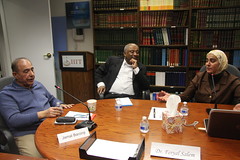
Dr Barzinji, Dr Alshingeiti, Dr Salem


On January 23rd, 2015, the International Institute of Islamic Thought (IIIT) commenced its Spring 2015 Lecture Series with an insightful presentation by Dr. Feryal Salem, of Hartford Seminary. The topic of her seminar was 

“Reasons for Disagreements among Four Sunni Schools of Jurisprudence.”

Dr. Feryal Salem is Assistant Professor of Islamic Scriptures and Law and a Co-Director of the Islamic Chaplaincy Program at Hartford Seminary in Hartford, Conn. She has a Ph.D. in Islamic Studies from the University of Chicago and she has also received a number of ijazat from Syria, in addition to her degree in hadith sciences from the Nuriyya Hadith Institute of Damascus.
The program began with an introduction by Ermin Sinanović, Director of Research at IIIT, followed by Dr. Salem’s talk and a Question and Answer session.

Islamic Law during Prophet’s Life
Dr. Salem introduced her topic by discussing how Islamic law was derived at the time of Prophet Muhammad, peace and blessings be upon him. She cited Qur’anic evidence to show that the Prophet’s legislative authority was established in the revelation and that wahy was of two types: recited (Qur’an) and not recited (Sunnah).
She then gave examples of how the Qur’an, Sunnah and Ijtihad were utilized in the Prophet’s (pbuh) time. Since the Qur’an was revealed piecemeal, it became an interactive, dynamic text, providing a connection with Allah, which strengthened the early Muslim community. The companions had easy access to the Prophet (pbuh) and would simply ask him. Furthermore, the Sunnah was actually being recorded during the Prophet’s (pbuh) life, with ‘Amr ibn al-‘As as a known writer of hadith.
Dr. Salem defined Ijtihad as a way to expand Islamic rulings, based on analogy or reasoning, on matters where there is no clear ruling from the Qur’an and Sunnah. There are several instances from the Sirah where Ijtihad was clearly employed by the Prophet (pbuh) or his companions, such as during the Battle of Badr, the Battle of Trench, and when a group of companions went to Banu Qurayzah.
Through these examples, Dr. Salem emphasized that “in allowing for diversity, we stay united.” She explained that the Companions and the Prophet (pbuh) were comfortable with differences – it is we who feel discomfort today with ikhtilaf. “When we are grounded in our traditions, we don’t feel threatened by differences,” she declared.

Basis of Difference among Islamic Legal Scholars
The second part of Dr. Salem’s presentation was devoted to the major reasons why the four Sunni madhabs differ from each other. Some of these include variance in the reading (qira’at) of the Qur’an, doubt in the reliability of a hadith, difference of opinion in how a verse of the Qur’an is understood, and multiple meanings of words. She supported each one with examples of how scholars have reached rulings based on their separate interpretations, at times reaching a consensus and other times settling on different opinions. In doing so, she stressed that we must be aware that a lot of sophistication goes into this process and hence, it should be respected.
Ermin Sinanović provided concluding words at the session, explaining that in a binary world of 0’s and 1’s, it is difficult for the modern mind to comprehend that two apparently contradictory positions can both be acceptable. Yet, such one-dimensional thinking is not supported in Islam where there is plenty of flexibility and room to have multiples schools of thoughts. He, then, invited the audience to ask Dr. Salem questions, during which she highlighted the modern problem of taking religion from books without understanding the human element which has been such an integral part of Islamic traditions from the very beginning.
The seminar closed with a brief evaluation by Jamal Barzinji, President of IIIT.

Sunday, 20 July 2014

زکوۃ اور ٹیکس . Zakat aur Tax